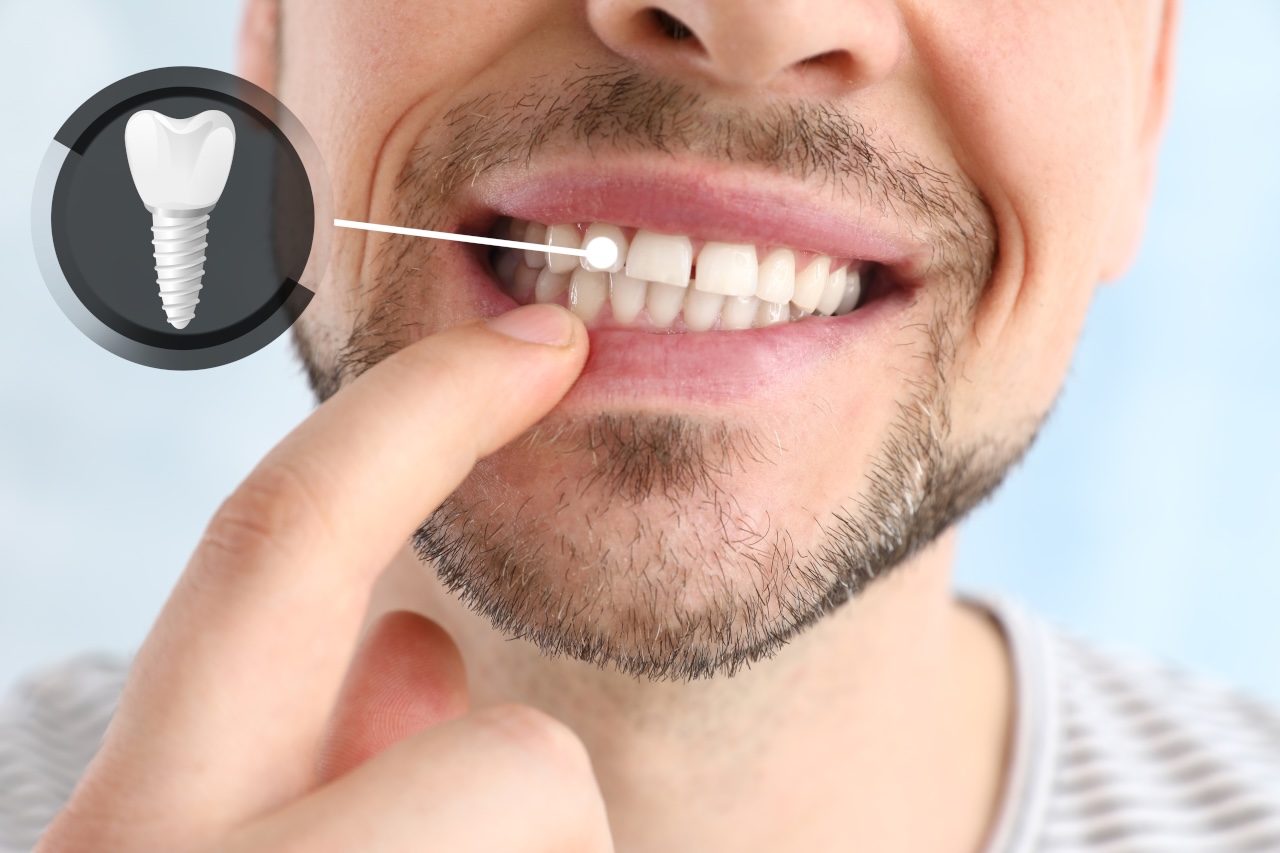
Missing a tooth can affect more than the appearance of your smile. It may influence how you chew, how neighboring teeth function, and how confident you feel about your tooth replacement. For many patients, dental implants offer a stable way to replace one tooth, several teeth, or support a larger restoration. However, implant treatment is not automatically the same for everyone. A dentist must evaluate several important factors before determining whether dental implants are appropriate for your needs.
If you have been researching dental implants, you may already know that they are designed to replace missing tooth roots and support replacement teeth. The next question is usually more personal: am I actually a good candidate? The answer depends on your oral health, bone support, medical history, habits, treatment goals, and the condition of the surrounding teeth and gums. Fortunately, candidacy is not always an all-or-nothing decision. Some patients are immediately ready for implant treatment, while others may need additional care first.
A good dental implant candidate generally needs a healthy enough foundation to support treatment and healing. However, dentists do not make this decision based on one factor alone.
Instead, the entire mouth is evaluated. The dentist may consider the health of your gums, available bone, number and location of missing teeth, bite forces, oral hygiene, and any health conditions that could influence healing.
This comprehensive approach matters because successful dental implants depend on more than placing an implant in an open space. The surrounding environment needs to support the restoration over the long term.
Bone support is one of the first factors considered during dental implant planning.
A dental implant is placed into the jawbone, so the bone needs adequate height, width, and quality to support it. After a tooth is lost, the bone in that area can gradually change because it no longer receives the same stimulation from a natural tooth root.
The amount of change varies from patient to patient. Someone who lost a tooth recently may have a different bone profile than someone who has been missing the same tooth for many years.
Dental imaging can help the dentist evaluate the available bone and surrounding anatomy before treatment is planned.
Bone loss does not automatically mean dental implants are impossible.
Depending on the location and extent of bone loss, additional procedures may sometimes be considered to improve the foundation for implant placement.
The appropriate approach depends on the individual anatomy and treatment goals. Some patients may have enough bone for treatment without additional procedures, while others may benefit from a staged plan.
This is one reason an implant consultation is more useful than trying to determine candidacy from photographs or general online information.
Healthy gum and periodontal tissues are an important part of supporting dental implants.
If active gum inflammation or periodontal disease is present, those concerns may need to be addressed before implant placement.
The dental team may evaluate bleeding, gum measurements, plaque accumulation, bone support, and the condition of nearby teeth.
Controlling active inflammation creates a healthier environment for treatment and makes long-term maintenance easier after the implant restoration is completed.
Dental implant treatment involves healing, so your dentist needs an accurate medical history.
Health conditions, medications, previous surgeries, and other medical factors can influence treatment planning. This does not mean that having a medical condition automatically disqualifies someone from dental implants.
Instead, the dentist may need to understand whether the condition is well managed and whether additional coordination with a physician is appropriate.
Patients should provide a complete medication list and update their dental team whenever their health changes.
Smoking and tobacco use can affect oral tissues and healing. Therefore, these habits are important considerations when discussing dental implants.
Tobacco use does not necessarily mean every patient is automatically excluded from treatment. However, it may influence the risk profile and the recommendations provided by the dentist.
Being open about smoking, vaping, or other tobacco products allows the dental team to plan more accurately.
If reducing or stopping tobacco use is recommended before implant treatment, following that guidance may help support a healthier treatment environment.
Dental implants cannot develop cavities in the same way natural teeth do, but the tissues around them still require daily care.
Plaque can collect around an implant-supported crown, bridge, or denture. If inflammation develops around the supporting tissues, the long-term health of the implant can be affected.
A good dental implant candidate should therefore be willing and able to maintain consistent brushing, cleaning between teeth, and routine professional care.
The exact cleaning method depends on the restoration. A single implant crown may require a different approach than an implant-supported bridge or denture.
Bite forces matter during implant planning.
Patients who grind or clench can place substantial pressure on natural teeth and dental restorations. The dentist may look for flattened tooth surfaces, fractures, damaged fillings, jaw muscle fatigue, or other signs of excessive forces.
Grinding does not automatically eliminate dental implants as an option, but it may influence how the final restoration is designed and protected.
In some cases, additional strategies may be recommended to manage heavy bite forces after treatment.
Dental implants can be used in different ways depending on how many teeth are missing.
A patient missing one tooth may need a very different treatment plan than someone missing several teeth or an entire arch.
Dental implants may be considered for:
Therefore, candidacy is not simply about whether you can receive one dental implant. It is also about determining which implant-based restoration best matches the number and location of missing teeth.
One advantage of a single dental implant is that treatment can often replace a missing tooth without using neighboring teeth as the primary support for the replacement.
However, the health of nearby teeth still matters.
Untreated cavities, gum problems, fractures, or other concerns may need attention as part of the overall dental plan.
The goal is to create a stable environment, not simply place an implant while ignoring problems elsewhere in the mouth.
For appropriate candidates, dental implants can provide several functional and restorative advantages.
There is not one specific upper age limit that determines dental implant candidacy.
For adults, overall oral health, bone support, healing ability, medical factors, and treatment goals are generally more important than age alone.
An older adult with stable health and appropriate bone may be a better candidate than a younger patient with uncontrolled gum disease or other significant risk factors.
For younger patients, dental and facial development may need to be complete before implant placement is considered.
The consultation begins with understanding what teeth are missing and what you hope to accomplish.
Your dentist may examine the remaining teeth, gums, bite, and existing restorations. Diagnostic imaging may be used to evaluate bone and important anatomical structures.
Your medical history and medications are also reviewed.
From there, the dentist can explain whether implant treatment appears appropriate, whether preliminary care is necessary, and what type of restoration may fit the situation.
This is also an opportunity to compare dental implants with other tooth replacement choices rather than assuming implants are automatically the only option.
Being told that you need additional care before dental implants does not necessarily mean implant treatment is permanently unavailable.
For example, a patient may need active gum problems treated first. Another patient may need a damaged tooth removed and time for healing. Someone else may require additional evaluation of available bone.
Treatment can often be planned in phases.
The important point is to understand what needs to happen and why. A staged approach can create a healthier foundation for the final restoration.
Dental implants and dentures are both used to replace missing teeth, but they function differently.
Traditional dentures are removable appliances. Dental implants are anchored in the jawbone and may support fixed or removable restorations depending on the treatment design.
Neither option is automatically right for everyone. Number of missing teeth, bone support, budget, maintenance preferences, medical factors, and treatment goals all matter.
Patients missing multiple teeth can also review Dentistry by Design's dentures service when comparing tooth replacement choices.
Possibly. Long-term tooth loss can change the amount of available jawbone, so imaging and an examination are needed to determine whether implant treatment is appropriate.
Active gum and periodontal problems may need treatment before implant placement. Healthy supporting tissues are an important part of implant planning and maintenance.
Age alone usually does not determine candidacy. Oral health, bone support, medical history, healing, and treatment goals are important considerations.
Tobacco use can influence healing and oral health, so smoking should be discussed honestly during an implant consultation. Recommendations depend on the individual patient's risk factors.
Not always. Depending on the number and location of missing teeth, implants may support a single crown, bridge, denture, or larger restoration.
Dental implant candidacy depends on much more than simply having a missing tooth. Bone support, gum health, overall health, oral hygiene, bite forces, habits, and the type of tooth replacement needed all influence the treatment plan. A professional implant evaluation can show which factors already support treatment and which may need attention first.
If you are considering dental implants, Schedule a Consultation with Dentistry by Design. Visit our Denville office at 4 2nd Ave, Suite 206, Denville, NJ 07834 and call (973) 625-3335, or visit our South Plainfield office at 295 Durham Ave, Building 7, Suite B, South Plainfield, NJ 07080 and call (732) 826-1095. You can also Contact Us online to discuss your tooth replacement options.