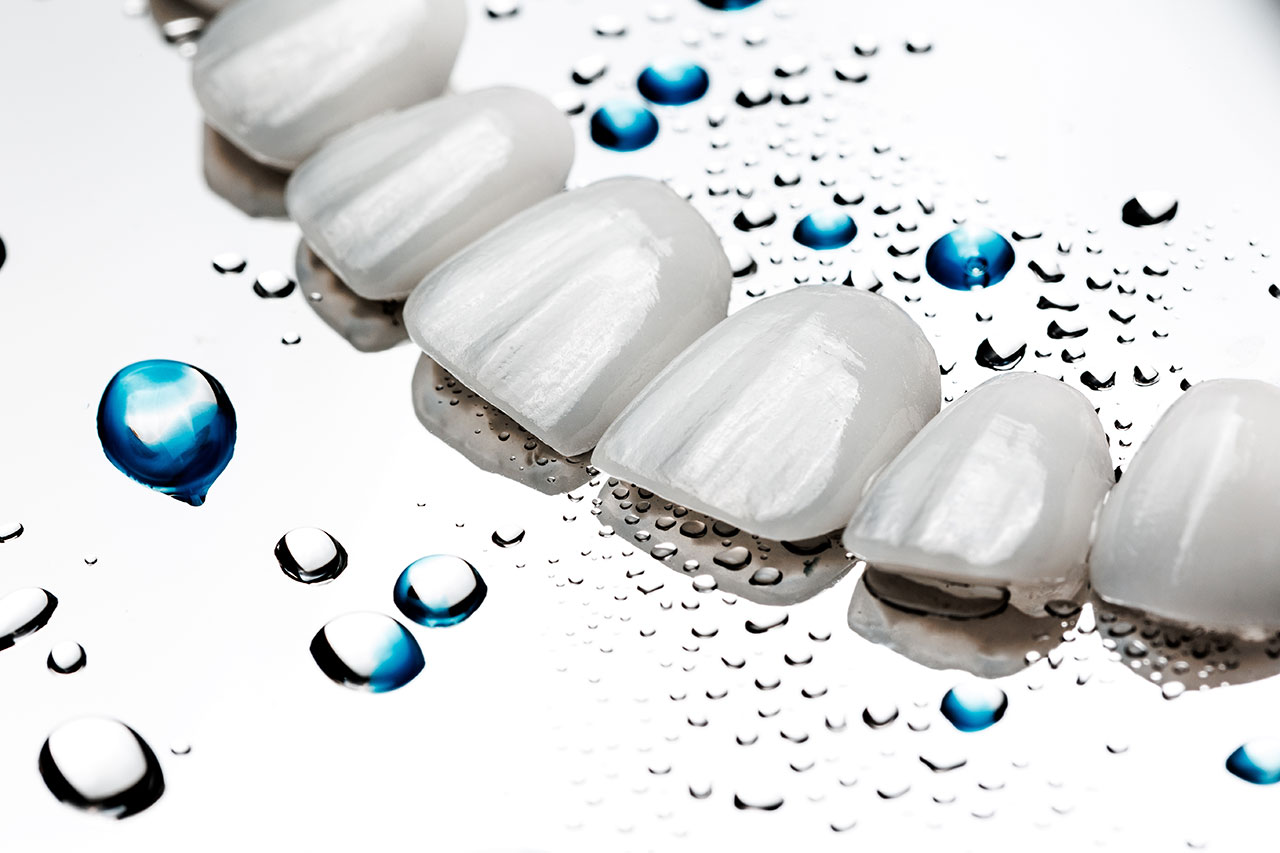
A smile is made from many small details. The edge of one tooth, a narrow gap, or a patch of stubborn discoloration may seem minor by itself, yet these details affect how the entire smile looks. Porcelain veneers can refine several of these features at once, creating a result that looks balanced without making every tooth appear exactly the same.
Patients considering cosmetic changes can explore the veneers available at Dentistry by Design. Porcelain veneers are custom restorations, so the process should begin with a thoughtful conversation about tooth health, facial features, personal preferences, and realistic expectations.
Porcelain veneers are thin shells made to cover the front surfaces of selected teeth. They are commonly placed on teeth that show when a person smiles. Each veneer is shaped and shaded to complement the surrounding teeth and the patient’s overall appearance.
Dental porcelain has a light-reflecting quality that can resemble natural enamel. It can be made in many shades, from bright white to softer tones. The goal is not always to create the whitest possible smile. Often, the most natural result comes from choosing a color that works with the patient’s complexion, neighboring teeth, and age.
Veneers are bonded to the teeth and are not removable like a denture or clear aligner. They may require a small amount of enamel to be removed so they fit properly and do not look bulky. The amount of preparation depends on the tooth position, the desired change, and the type of veneer being planned.
Porcelain veneers can address several cosmetic concerns, particularly when the teeth and gums are otherwise healthy. They may improve teeth that are discolored, chipped, uneven, worn, slightly misshapen, or separated by small spaces.
Some stains respond well to professional whitening. Others do not. Discoloration linked to tooth development, injury, medication, or internal changes may remain after bleaching. A veneer can cover the visible surface and provide a more even shade.
Minor chips and worn edges can make a smile appear uneven. Veneers can rebuild these areas while refining the shape of the tooth. They may also create more consistent proportions when one or two teeth look unusually small or narrow.
Small gaps may sometimes be closed by making neighboring teeth slightly wider. Mild visual misalignment can also be softened by changing the visible contours of teeth. However, porcelain veneers do not physically move tooth roots. When crowding or bite problems are more involved, orthodontic treatment may be healthier and more predictable.
Porcelain veneers are popular because they can address color, shape, size, and symmetry within one treatment plan. Their value comes from careful design, not from making every smile follow the same template.
Veneers still require maintenance. Porcelain is strong, but it is not unbreakable. Natural teeth beneath and around the veneers can also develop decay or gum disease. Good daily care remains essential.
The cosmetic consultation is where a successful result begins. The dentist listens to what the patient wants to change and examines the teeth, gums, lips, and bite. Photographs, digital scans, X-rays, or models may be used to study the smile from different angles.
Patients should explain what they like as well as what they hope to change. Some want a subtle refresh that friends cannot quite identify. Others prefer a brighter, more noticeable update. Neither direction is automatically right or wrong. The design should suit the person wearing the smile.
The dentist also checks whether veneers are clinically suitable. Active cavities, gum inflammation, and untreated infection should be addressed first. Teeth weakened by large fillings or fractures may need crowns instead. Severe grinding can place veneers under repeated stress and may affect treatment recommendations.
A preview or temporary version of the proposed design may be used in some cases. This lets patients see how changes in length and shape may look before the final porcelain is completed. It is a useful chance to discuss details while adjustments are still easy to make.
Once the design is approved, the teeth are prepared as needed. A local anesthetic may be used for comfort. The dentist removes a conservative amount of enamel from the front and sometimes the edge of each treated tooth. This creates space for the porcelain and helps the veneers sit naturally within the smile.
A precise impression or digital scan is then taken. This information is used to create restorations that match the planned shape and fit. Temporary veneers may be placed while the final restorations are made. Temporaries protect prepared teeth and give patients an early sense of the new design.
Temporary veneers require care. They may not have the same strength or polished finish as final porcelain. Very hard, sticky, or crunchy foods should be avoided, and patients should follow the cleaning instructions provided by the office.
At the final placement appointment, the dentist checks each veneer for fit, color, shape, and relationship with the bite. Adjustments can be made before bonding. The teeth are cleaned and prepared, then the veneers are secured with dental bonding material.
The bite is checked again after placement. Even a beautiful veneer must function properly when the patient talks and chews. A follow-up visit may be recommended to check the gums and confirm that the bite feels comfortable after the patient has lived with the restorations for a little while.
Porcelain veneers can last for many years, but their lifespan varies. Oral hygiene, bite forces, grinding, diet, accidents, and regular dental care all influence durability. A veneer may eventually chip, loosen, or need replacement as the mouth changes over time.
Because enamel may be removed during preparation, traditional porcelain veneer treatment is generally considered permanent. If a veneer fails or wears out, the prepared tooth will usually need another restoration. Patients should understand this commitment before treatment begins.
Longevity is not only about the porcelain. The gums must stay healthy, and the tooth underneath must remain free from decay. A veneer covers the front surface, but it does not make the entire tooth immune to oral disease.
Porcelain veneers should be brushed twice daily with a soft-bristled toothbrush and a nonabrasive toothpaste. Flossing once a day helps clean the areas between the teeth and along the gumline. Patients should not avoid flossing around veneers. Healthy gums are part of a polished result.
Regular exams and professional cleanings allow the dentist to monitor the veneers, supporting teeth, and bite. Tell the dental hygienist about the restorations so suitable instruments and polishing materials can be used.
Teeth should not be used as tools. Opening packages, biting tags, chewing ice, and cracking hard objects can damage both natural enamel and porcelain. Patients who grind or clench may be advised to wear a custom nightguard. Those who play contact sports should use an athletic mouthguard.
Porcelain resists many stains, but neighboring natural teeth can still darken. Coffee, tea, red wine, and tobacco may create color differences over time. Good cleaning habits and sensible limits can help the smile stay more even.
Veneers are not the only way to update a smile. Professional whitening may be enough when tooth color is the main concern. Dental bonding can repair small chips or gaps with tooth-colored resin and often requires less enamel preparation. Clear aligners may be recommended when tooth position or the bite is the central issue.
A crown covers much more of a tooth than a veneer. Crowns are generally chosen when a tooth needs structural support because of a large filling, major fracture, severe wear, or root canal treatment. Placing a crown solely for a small cosmetic change may remove more tooth structure than necessary.
Sometimes a combined plan produces the most balanced result. A patient might straighten crowded teeth first, whiten the natural enamel, and then use one or two veneers to refine stubborn shape concerns. Cosmetic dentistry is often less about doing more and more about choosing the right tool for each tooth.
Porcelain veneers can create meaningful cosmetic changes while preserving a natural sense of character. The finest results do not look like a row of identical tiles. They reflect the small variations, proportions, and contours that make a smile believable.
The decision deserves careful planning because veneers represent a lasting commitment. A thorough consultation can clarify whether they are appropriate, how many teeth may need treatment, and whether another option could meet the same goals more conservatively.
Ready to find out whether porcelain veneers suit the changes you have in mind? Contact Dentistry by Design of South Plainfield at 732-314-0829 to schedule a consultation with Dr. Marciano at 295 Durham Ave, Building 7, Suite B, South Plainfield, NJ 07080.