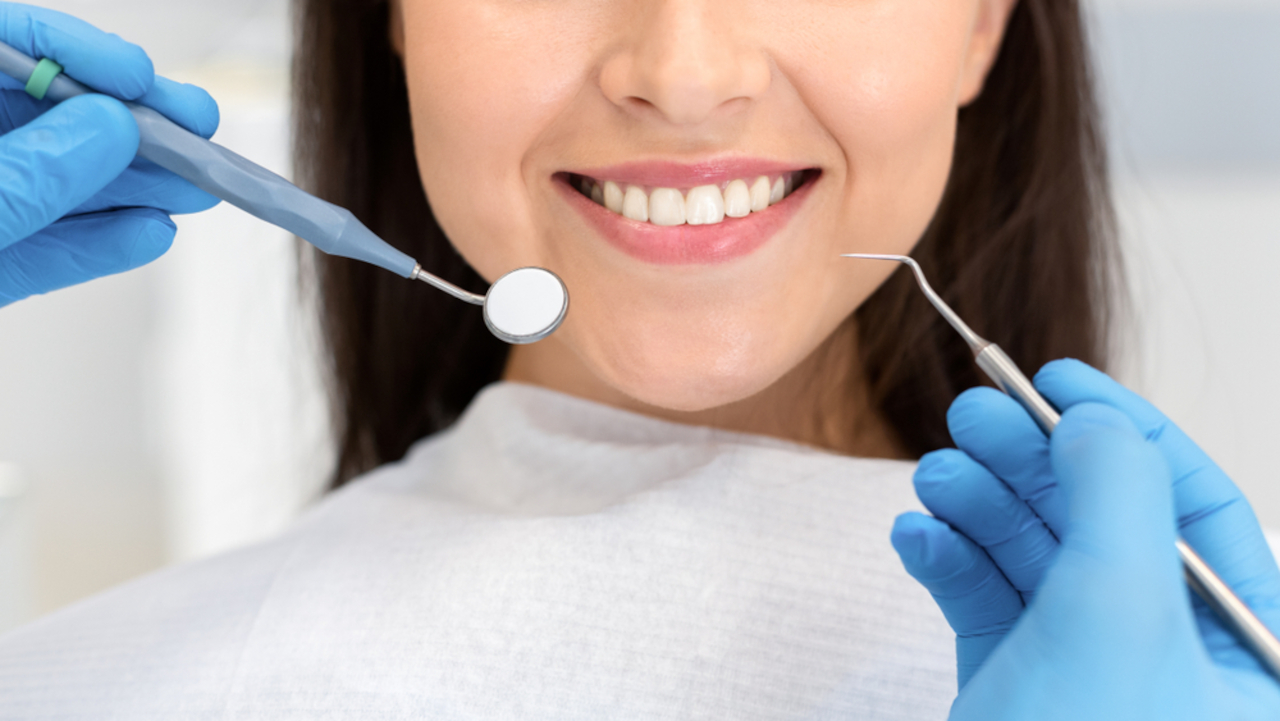
If there is something you would like to change about your smile, the hardest part may be figuring out which treatment actually addresses the concern. Professional whitening can brighten natural tooth color, veneers can change the visible shape and appearance of selected teeth, and orthodontics can move teeth into new positions. A personalized cosmetic dentistry consultation can help determine whether one treatment or a combination of treatments best matches your goals.
Cosmetic dentistry is not one procedure. It is a broad approach to improving smile appearance while considering tooth health, bite, alignment, existing dental work, and individual preferences. Someone bothered by tooth color may need an entirely different plan from someone concerned about crowding, gaps, worn edges, or irregular tooth shape. Understanding what each treatment can and cannot change is an important place to start.
Cosmetic dentistry may address several types of smile concerns, including:
However, not every cosmetic issue should be treated the same way.
Changing color with veneers when whitening would accomplish the goal may be more treatment than necessary. Likewise, repeatedly reshaping teeth to disguise significant crowding may not address the underlying alignment.
The most useful cosmetic plan starts by identifying exactly what the patient wants to change.
Professional teeth whitening focuses primarily on tooth color.
It may be appropriate for patients whose natural teeth have become darker or stained over time but are otherwise healthy and reasonably well aligned.
Common motivations include discoloration associated with coffee, tea, certain foods, or natural changes in tooth color.
Whitening does not physically change the size, shape, or position of teeth. Therefore, it is most useful when color is the primary concern.
Patients interested in brightening their natural teeth can learn more about professional teeth whitening.
Whitening has important limitations.
It does not straighten crowded teeth, close significant spaces, rebuild chipped edges, or change tooth proportions.
Existing crowns, fillings, and veneers also do not necessarily whiten the same way natural tooth structure does.
This matters when dental restorations are visible in the smile. If the natural teeth become lighter while a front crown remains the same shade, a color difference may become more noticeable.
Cosmetic planning should therefore consider existing dental work before whitening begins.
Veneers are thin restorations placed over the visible front surfaces of selected teeth.
They may be considered when the cosmetic concern involves more than color alone.
Depending on the case, veneers can change:
Because veneers physically cover the front portion of teeth, they can create changes that whitening alone cannot.
However, veneers are a restorative treatment and should not automatically be chosen simply because someone wants a brighter smile.
Veneers can sometimes make selected mildly irregular teeth appear more even by changing their visible contours.
However, they do not actually move tooth roots or correct the underlying bite.
If teeth are significantly crowded, rotated, or positioned in a way that affects function, orthodontics may provide a more appropriate approach.
In some cosmetic treatment plans, orthodontics is completed first so the teeth can be moved into healthier positions before veneers or other restorations are considered.
Orthodontics changes tooth position rather than simply covering the visible surfaces.
It may be particularly helpful when the main concern involves:
Moving teeth can sometimes reduce or eliminate the need for more extensive cosmetic restorations.
For patients who prefer a removable orthodontic option, SureSmile clear aligners may be discussed when appropriate.
Many cosmetic goals involve more than one concern.
For example, a patient may want to close a small gap, straighten crowded lower teeth, and brighten the overall smile.
In that situation, orthodontics may be completed before whitening so the teeth are first moved into their planned positions.
Whitening can then address overall color.
Sequencing matters because completing treatments in the right order can reduce unnecessary dental work and improve consistency.
A single discolored tooth deserves evaluation before cosmetic treatment is selected.
Color differences can occur for several reasons, including previous trauma, existing dental treatment, developmental differences, or changes inside the tooth.
Whitening may not affect a single dark tooth in exactly the same way it affects surrounding teeth.
The dentist first needs to determine why the color changed and whether the tooth is healthy.
Once the cause is understood, cosmetic options can be discussed more accurately.
Minor chips and worn edges may sometimes be addressed with restorative or cosmetic treatment, but the cause matters.
If teeth are repeatedly chipping because of grinding, clenching, or an uneven bite, simply repairing the visible damage may not prevent it from happening again.
The dentist may evaluate bite forces before recommending cosmetic changes.
Depending on the amount of damage, options may include bonding, veneers, crowns, or another restorative approach.
When cosmetic dentistry is planned around the health and structure of the teeth, it can address several aspects of smile appearance while preserving function.
The key question is whether the concern is primarily color or whether tooth shape also needs to change.
If the teeth are healthy, appropriately shaped, and well aligned but simply appear darker than desired, whitening may be the more conservative option.
If there are persistent color differences combined with shape, size, or surface concerns, veneers may offer broader cosmetic changes.
However, veneer treatment should be considered carefully because it is different from simply bleaching natural enamel.
The decision often depends on whether the problem is tooth position or tooth appearance.
Orthodontics physically moves teeth. Veneers alter visible surfaces.
A mildly irregular tooth may sometimes be cosmetically reshaped with a veneer. More substantial crowding or bite problems may be better addressed through orthodontic movement.
In some cases, both can be used, but usually in a carefully planned sequence.
Patients exploring veneer treatment can review Dentistry by Design's veneers service information.
Generally, active oral health concerns need to be considered before elective cosmetic treatment.
Cavities, gum inflammation, damaged restorations, or other untreated problems can affect the treatment plan.
For example, whitening teeth while active decay is present does not address the more immediate health concern.
Likewise, designing veneers around inflamed gum tissue may be less predictable than first establishing healthier gums.
A cosmetic consultation should therefore include an evaluation of overall dental health, not simply a discussion about tooth shade.
A natural-looking result is usually based on proportion rather than creating teeth that are identical or excessively bright.
Tooth size, shape, color, translucency, alignment, gumline, facial features, and surrounding teeth all influence appearance.
Many patients are not looking for a completely different smile. They simply want selected concerns improved while maintaining a result that still feels like their own.
Communicating those preferences during the consultation helps guide treatment planning.
It can be useful to identify the specific changes you care about most.
Instead of saying only that you dislike your smile, consider whether the concern is primarily:
This helps the dentist explain which treatments address each issue and which options may be unnecessary.
Cosmetic dentistry may address concerns involving tooth color, shape, spacing, alignment, chips, proportions, and selected dental restorations.
Whitening primarily changes natural tooth color, while veneers can change color, shape, and visible proportions. The better option depends on the concern being treated.
Veneers may disguise selected minor irregularities, but they do not physically move teeth or correct the underlying bite.
When both alignment and color are treatment goals, orthodontics is often planned before whitening so the teeth are first moved into their intended positions.
Yes. In fact, cavities, gum problems, or damaged teeth often need to be addressed as part of the overall plan before or alongside cosmetic treatment.
The best cosmetic treatment depends on the problem you are trying to solve. Whitening is designed for color, veneers can change visible tooth shape and color, and orthodontics moves teeth into different positions. A thoughtful cosmetic dentistry plan can determine whether one treatment is enough or whether combining treatments in the right sequence will better match your goals.
To explore whitening, veneers, orthodontics, or other cosmetic dentistry options, Schedule a Consultation with Dentistry by Design. Visit our Denville office at 4 2nd Ave, Suite 206, Denville, NJ 07834 and call (973) 625-3335, or visit our South Plainfield office at 295 Durham Ave, Building 7, Suite B, South Plainfield, NJ 07080 and call (732) 826-1095. You can also Contact Us online to discuss your smile goals.