Have your teeth started looking a little longer, or have you noticed sensitivity near the gumline that was not there before? These changes may be signs of gum recession. Receding gums occur when gum tissue moves away from the normal position around a tooth, exposing more of the tooth or its root. Because gum health is an important part of general dentistry, identifying recession early can help patients understand what is causing it and how to protect the affected areas.
Gum recession does not always happen suddenly. In fact, it can progress so gradually that people may not notice it until a tooth looks different, feels more sensitive, or develops a visible notch near the gumline. Although receding gums are relatively common, they should not simply be considered an unavoidable part of getting older. Several factors can contribute, and understanding the cause is an important part of deciding what to do next.
Healthy gum tissue forms a protective seal around each tooth. It helps cover the root surface and supports the structures that keep teeth stable.
Gum recession occurs when the edge of the gum moves farther down the root on a lower tooth or farther up the root on an upper tooth. As a result, more tooth structure becomes visible.
The root surface differs from the enamel-covered crown of the tooth. Roots are protected by a thinner outer layer and can become more sensitive when exposed.
Therefore, gum recession may create both cosmetic and functional concerns. Some patients notice a change in appearance first, while others become aware of recession because cold drinks or brushing begin causing sensitivity.
Gum recession can look different from one patient to another. Sometimes it affects one tooth. In other cases, several areas may be involved.
Possible signs include:
Some people do not experience pain at all. Consequently, visual changes can be an important reason to mention the gums during a dental examination.
There is not one single cause of gum recession. Instead, several biological, mechanical, and oral hygiene factors may contribute.
Brushing harder does not necessarily clean teeth more effectively. Repeatedly scrubbing the gumline with excessive pressure can irritate tissues and contribute to recession in susceptible areas.
A hard-bristled toothbrush can increase this concern. For most patients, a soft-bristled toothbrush combined with gentle, controlled movements is sufficient for daily plaque removal.
Patients who use powered toothbrushes may find pressure sensors helpful because they can provide feedback when too much force is being applied.
Plaque and tartar along the gumline can cause inflammation. When more significant periodontal disease develops, the supporting tissues around teeth may be affected.
Gum recession can occur along with periodontal changes, particularly when bone and gum support have been lost.
For that reason, recession should be evaluated in context. The dental team needs to determine whether the issue is primarily related to brushing, tooth position, inflammation, or another factor.
Teeth that sit farther toward the lip or cheek may have thinner gum and bone covering their roots. Those areas may be more susceptible to recession over time.
Crowded or rotated teeth can also create areas that are difficult to clean efficiently.
Orthodontic history, natural tooth position, and the thickness of the surrounding gum tissue may all influence how the gumline changes.
Heavy bite forces can place stress on teeth and surrounding structures. Although grinding is not the sole explanation for every area of recession, excessive forces may contribute to wear patterns or changes around susceptible teeth.
If recession occurs together with flattened teeth, fractures, jaw fatigue, or other signs of bruxism, the dentist may evaluate the bite as part of the overall picture.
Tobacco can negatively affect the oral tissues and gum health. Patients who smoke or use other tobacco products may also develop changes that make gum disease more difficult to recognize because bleeding can sometimes be less obvious.
For patients concerned about recession, discussing tobacco use honestly with the dental team helps create a more complete risk assessment.
Some people naturally have thick, resilient gum tissue, while others have thinner tissue around certain teeth.
Thin tissue is not automatically unhealthy. However, it may be less resistant to mechanical irritation or changes in tooth position.
Therefore, two patients with similar brushing habits may experience very different gum responses.
Once gum tissue has moved away and exposed part of the root, it does not generally return to its previous position simply because brushing habits improve.
However, that does not mean nothing can be done.
The first priority is often to identify and control the factor contributing to the recession. This may include improving brushing technique, controlling inflammation, monitoring bite forces, or addressing other dental concerns.
In selected situations, additional periodontal treatment may be considered to protect exposed root surfaces or improve tissue coverage.
The appropriate approach depends on how much recession is present, whether it is progressing, the thickness of the surrounding tissue, and the patient's symptoms.
The visible crown of a healthy tooth is protected by enamel. The root surface does not have the same thick enamel covering.
When recession exposes the root, microscopic pathways within the underlying tooth structure can respond more strongly to cold temperatures, touch, or certain foods.
That is why someone may suddenly notice a sharp sensation while drinking cold water even though the tooth does not have a cavity.
However, sensitivity can have several causes. Decay, cracks, worn enamel, grinding, and dental restorations can produce similar symptoms. Therefore, new or persistent sensitivity should be evaluated rather than automatically attributed to recession.
Exposed root surfaces can be more vulnerable to decay than enamel-covered portions of teeth.
Root decay may develop near the gumline, particularly when dry mouth, plaque accumulation, dietary habits, or difficulty cleaning the area are also present.
This makes careful home hygiene important. Patients with recession should pay attention to the gumline without scrubbing aggressively.
Fluoride products may also be recommended in certain situations to strengthen vulnerable areas and reduce cavity risk.
Gum recession is often easier to manage when changes are identified before substantial additional tissue is lost.
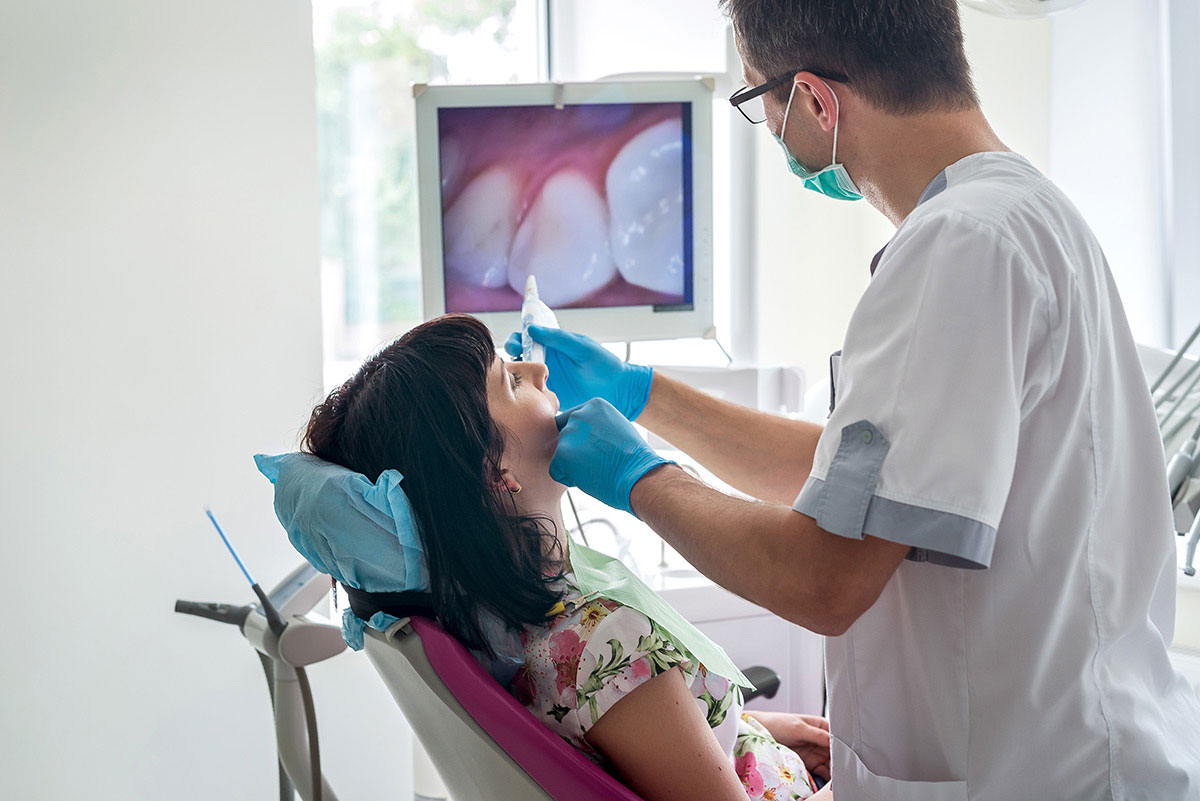
A dentist or dental hygienist can visually examine the gumline and measure the tissues around the teeth.
The evaluation may consider the amount of exposed root, gum thickness, inflammation, plaque and tartar buildup, tooth position, and periodontal measurements.
Dental X-rays may also provide information about supporting bone when appropriate.
The goal is not simply to measure how far the gum has moved. The more important question is why the recession occurred and whether it appears to be progressing.
Yes, particularly when aggressive brushing contributes to the problem.
A soft-bristled toothbrush is usually appropriate. Instead of forceful horizontal scrubbing, patients can use gentle movements that clean the gumline without repeatedly traumatizing the tissue.
Electric toothbrushes can be helpful, but they should not be pressed firmly into the gums. Letting the brush perform the cleaning motion is generally more effective than adding heavy pressure.
If you are uncertain about technique, bring your toothbrush or describe your routine during your dental visit. Personalized guidance may be more useful than simply being told to brush more often.
Cleaning between the teeth remains important. Plaque left near recessed areas can increase inflammation and cavity risk.
However, floss should be guided gently rather than snapped forcefully into the gum.
Some patients benefit from floss holders, interdental brushes, or water flossers depending on tooth spacing, dexterity, and existing dental work.
The best method is one that effectively removes plaque without causing repeated injury to the tissue.
Schedule a dental evaluation if you notice that a tooth appears noticeably longer, sensitivity is increasing, the gumline is changing, or recession seems to be progressing.
You should also mention symptoms such as:
These symptoms do not automatically indicate severe disease, but they provide useful information that can help the dental team determine what is happening.
Teeth may look longer when the surrounding gum tissue recedes and exposes more of the tooth or root. A dental examination can determine whether recession is present and what may be contributing to it.
Yes. Repeated aggressive brushing can irritate gum tissue and may contribute to recession, especially in areas where the tissue is naturally thin.
Receded gum tissue generally does not simply return to its original position. However, identifying the cause can help prevent further progression, and selected treatments may be considered depending on the situation.
Root surfaces lack the same thick enamel protection as the visible crowns of teeth. Exposure can make them more responsive to cold temperatures, touch, sweets, and other triggers.
No. Gum disease can cause recession, but aggressive brushing, tooth position, thin tissue, bite forces, and other factors may also contribute. An evaluation is needed to determine the likely cause.
Gum recession can develop slowly, which makes it easy to overlook until sensitivity or visible changes become more noticeable. Paying attention to the gumline, using gentle home care, and having changes professionally evaluated can help protect exposed roots and support long-term gum health.
If you have noticed receding gums, exposed roots, or increasing sensitivity, Book an Appointment with Dentistry by Design. Visit our Denville office at 4 2nd Ave, Suite 206, Denville, NJ 07834 and call (973) 625-3335, or visit our South Plainfield office at 295 Durham Ave, Building 7, Suite B, South Plainfield, NJ 07080 and call (732) 826-1095. You can also Contact Us online to request an appointment.