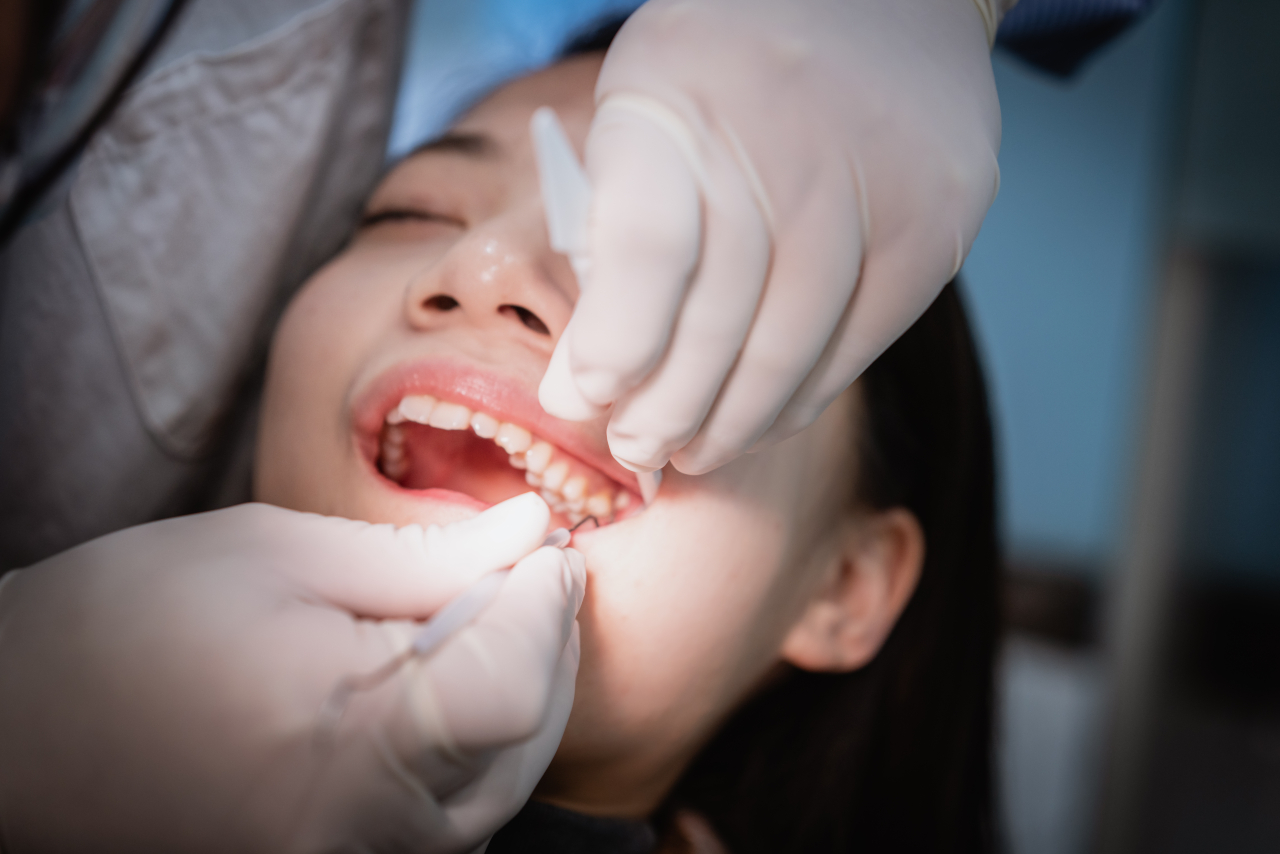
You brushed your teeth, cleaned your tongue, and maybe even used mouthwash, yet your breath still does not seem fresh. Persistent bad breath can be frustrating, especially when you cannot identify the cause. Although certain foods can temporarily affect breath, ongoing odor may be connected to plaque, gum health, dry mouth, cavities, or other oral conditions. Routine general dentistry care can help identify dental factors that may be contributing to persistent bad breath.
Bad breath, also called halitosis, happens to nearly everyone occasionally. Morning breath, garlic, onions, coffee, and certain medications can temporarily change how breath smells. However, when an unpleasant odor returns quickly after brushing or seems to last throughout the day, simply covering it with gum or mints may not address the underlying cause. Understanding where persistent bad breath comes from can help you find a more effective solution.
Brushing is essential for oral health, but a toothbrush cannot reach every surface in the mouth. Food particles and bacterial plaque can remain between teeth, around the gumline, on the tongue, and near dental restorations.
When bacteria break down food particles and other materials, they can produce compounds with an unpleasant odor. Therefore, someone can brush thoroughly and still experience bad breath if other areas are not being cleaned effectively.
In addition, some causes of persistent bad breath cannot be solved by brushing alone. Tartar buildup, cavities, dry mouth, gum inflammation, and damaged dental work may require professional evaluation.
Yes. Dental plaque is a soft film containing bacteria that continually develops on teeth. When plaque is not removed regularly, it can accumulate around the gumline and between teeth.
Bacteria within plaque may produce unpleasant-smelling compounds. This is one reason flossing and other forms of interdental cleaning can be important for maintaining fresher breath.
If plaque remains on tooth surfaces long enough, it can harden into tartar. Tartar cannot be removed effectively with ordinary brushing. Professional dental instruments are generally needed to remove these deposits.
Tartar also provides a rough surface where additional plaque can collect, which may contribute to inflammation around the gums.
The tongue is one of the most common areas where odor-producing bacteria can collect. Its surface contains many small grooves and papillae that can hold bacteria, dead cells, and food particles.
A visible coating toward the back of the tongue may be particularly noticeable in people who experience persistent bad breath.
Gently brushing the tongue or using an appropriate tongue-cleaning device may help reduce buildup. However, aggressive scraping is unnecessary and can irritate delicate tissue.
If tongue cleaning improves breath only briefly, another source may also be contributing.
Gum inflammation and periodontal problems may contribute to persistent odor. When plaque and tartar accumulate near or beneath the gumline, bacteria can irritate the tissues surrounding the teeth.
The gums may become swollen, red, tender, or more likely to bleed when brushing or flossing. As more advanced periodontal problems develop, deeper spaces can form around teeth where bacteria and debris become difficult to remove at home.
Possible signs that gum health needs attention include:
Because early gum problems may not cause significant pain, persistent bad breath can sometimes be one of the first reasons a patient begins asking questions about gum health.
Yes. Saliva performs several important jobs throughout the day. It helps rinse away food particles, bacteria, and dead cells while keeping the tissues of the mouth moist.
When saliva flow decreases, these materials may remain in the mouth longer. As a result, unpleasant odors can become more noticeable.
Dry mouth may be associated with dehydration, certain medications, mouth breathing, tobacco use, health conditions, or other factors.
Many people notice stronger breath when they first wake up because saliva production naturally decreases during sleep. If someone sleeps with the mouth open, nighttime dryness may become even more noticeable.
A cavity does not always cause noticeable odor, but tooth decay can create rough or damaged areas where plaque and food debris collect.
As a cavity grows, cleaning the affected area can become more difficult. Food may repeatedly become trapped, especially when decay develops between neighboring teeth.
Some patients may also notice sensitivity, discomfort while chewing, a rough edge, or a persistent unpleasant taste.
However, cavities frequently begin without pain or obvious symptoms. Regular dental examinations can help identify decay before it becomes easier to notice.
Dental restorations are designed to restore damaged teeth, but they still require ongoing monitoring.
If a filling chips, the edge of a crown changes, or recurrent decay develops around existing dental work, food and plaque may collect in areas that are difficult to clean.
Changes in the contact between neighboring teeth can also create spaces where food becomes trapped after meals.
If floss consistently has a strong odor after cleaning around one particular filling or crown, or if food repeatedly catches in that location, mention the pattern during your dental appointment.
For many patients, yes. Even careful brushing can leave plaque and food particles between teeth.
If those particles remain for many hours, bacteria begin breaking them down. Flossing helps clean tooth surfaces that toothbrush bristles generally cannot reach directly.
If floss has a noticeably unpleasant smell after being used between certain teeth, it may indicate that plaque and trapped material have been accumulating in that area.
Daily cleaning between the teeth can therefore support both gum health and fresher breath.
Morning breath is extremely common because saliva production decreases during sleep.
With less saliva flowing through the mouth, bacteria and odor-producing compounds can become more concentrated. Mouth breathing may increase the effect by drying the oral tissues further.
Normal morning breath typically improves after drinking water, eating, brushing, flossing, and cleaning the tongue. Breath that remains noticeably unpleasant for much of the day may have another contributing cause.
Mouthwash can be helpful for some patients, but it should not replace identifying the reason persistent odor is occurring.
Some rinses primarily mask odor temporarily. Others contain ingredients intended to reduce bacteria or support oral health.
However, mouthwash cannot remove hardened tartar, repair a cavity, replace a damaged restoration, or treat more advanced gum problems.
Certain rinses may also feel uncomfortable or drying for people who already experience dry mouth.
If you rely on mouthwash frequently but bad breath continues, a dental examination may provide more useful information.
Finding the cause of persistent bad breath may improve more than the way your mouth feels after brushing. It can also identify oral health concerns that deserve attention.
Certain foods can temporarily affect breath because aromatic compounds remain in the mouth or enter the bloodstream. Garlic and onions are familiar examples.
Coffee can also leave a lingering taste and may contribute to oral dryness for some people.
Frequent sugary foods may indirectly contribute by supporting plaque bacteria and increasing the risk of tooth decay.
Long periods without eating or drinking can also make the mouth feel dry. Water is generally an excellent beverage between meals because it helps rinse the mouth without adding sugar.
Yes. Many causes of persistent bad breath begin in the mouth, but nasal, sinus, respiratory, digestive, or other health conditions can sometimes contribute.
A dentist can evaluate common oral causes first, including the teeth, gums, tongue, restorations, and saliva.
If the mouth appears healthy but significant bad breath continues, additional medical evaluation may be appropriate.
Consistent daily care provides the foundation. Brush thoroughly twice each day using fluoride toothpaste, and clean between the teeth daily with floss or another method recommended by your dental team.
Gently clean the tongue, especially toward the back where coating may be more noticeable. Drink water regularly and avoid allowing the mouth to remain excessively dry.
If you wear removable dentures or another dental appliance, clean it according to professional instructions because bacteria and debris may also accumulate on appliance surfaces.
Finally, maintain routine dental visits so areas that cannot be cleaned or inspected effectively at home can be monitored.
Consider scheduling a dental visit when bad breath:
These symptoms do not automatically mean a major problem is present. However, an examination can replace guessing with useful information about what may be contributing.
Brushing may leave bacteria and food debris between teeth, around the gums, or on the tongue. Dry mouth, cavities, gum inflammation, tartar, and dental restorations may also contribute.
Yes. Bacteria associated with gum inflammation and periodontal problems may contribute to persistent odor, particularly when plaque and tartar collect around or beneath the gumline.
Yes. Flossing removes plaque and food particles from spaces between teeth that toothbrush bristles often cannot clean effectively.
Yes. Saliva helps rinse bacteria and debris from the mouth. When saliva flow decreases, odor-producing materials may remain longer.
A dental evaluation is helpful when bad breath persists despite consistent brushing, flossing, tongue cleaning, and hydration, especially when other dental symptoms are present.
Persistent bad breath is not always solved by stronger toothpaste or another breath mint. Plaque, gum inflammation, dry mouth, tooth decay, tongue coating, and dental restorations can all contribute. Identifying the cause allows treatment and preventive care to focus on what is actually happening rather than simply covering the odor temporarily.
If persistent bad breath is making you wonder whether something in your mouth needs attention, Book an Appointment with Dentistry by Design. Visit our Denville office at 4 2nd Ave, Suite 206, Denville, NJ 07834 and call (973) 625-3335, or visit our South Plainfield office at 295 Durham Ave, Building 7, Suite B, South Plainfield, NJ 07080 and call (732) 826-1095. You can also Contact Us online to request an appointment.